

Executive summary:
FinScope Rwanda 2024 highlights significant disparities in the financial well-being of Rwandan adults, revealing widespread financial vulnerability despite expanded financial access. Only 9.3% of adults are classified as financially healthy, meaning fewer than one in ten can comfortably meet daily needs, manage unexpected expenses, and plan effectively for the future. The majority, 56.5%, are financially coping—able to manage day-to-day obligations but with limited buffers—leaving them highly exposed to financial shocks. A further 34.2% are financially vulnerable or extremely vulnerable, indicating that over one in three adults struggle to meet basic obligations and lack resilience to withstand even modest economic disruptions. These findings underscore the need for strategies that go beyond access to enhance financial stability, resilience, and longterm capability.
Financial health is broadly similar across rural and urban populations, though urban adults enjoy a slight advantage, with 10.7% classified as financially healthy compared with 8.6% in rural areas. Gender disparities are more pronounced: women are disproportionately represented among the financially vulnerable and extremely vulnerable, while men are more likely to be healthy. In urban areas, 37.3% of women are vulnerable compared with 29.2% of men; in rural areas, the figures are 37.5% and 29.2%, respectively. These disparities reflect structural constraints, including limited income opportunities, lower ownership of productive assets, and disproportionate unpaid care responsibilities. Targeted interventions—such as expanding income-generating opportunities for women, improving financial education, and promoting gender-responsive financial products—are essential to reduce vulnerability and enhance resilience.
Youth are among the most financially fragile groups, experiencing the highest levels of extreme vulnerability. Early- career instability, unemployment, underemployment, limited asset ownership, and restricted access to financial services leave many young adults highly exposed to shocks and limit their ability to plan for the future. Education strongly influences financial outcomes: adults with no formal education face the highest vulnerability, while financial health improves progressively with secondary and tertiary education. Tertiary-educated adults have the highest share classified as financially healthy, reflecting stable employment, higher earnings, and stronger financial capability.
Livelihood type is another key determinant of financial health. Dependents, pensioners, and pieceworkers or vendors are among the most vulnerable due to irregular or insufficient income. Farmers and fishers also face elevated vulnerability because of income seasonality and exposure to climate or market shocks. Conversely, formally employed salaried workers and business owners display the strongest financial health, supported by stable earnings and predictable cash flows. Strengthening income stability through formalization, value-chain development, and social protection could substantially reduce vulnerability among informal and agriculture-based workers.
Within the farming population, subsistence farmers are significantly more likely to be financially vulnerable or extremely vulnerable (35.9%) compared with commercial farmers (14.7%). This disparity reflects differences in productivity, market access, income predictability, and access to financial services. Providing support through finance, market linkages, extension services, and capacity-building can enhance rural financial resilience and reduce vulnerability among subsistence farmers.
Persons with disabilities (PWDs) face pronounced financial disadvantage, with a higher proportion classified as vulnerable or extremely vulnerable and a smaller share classified as financially healthy. Structural barriers such as limited employment opportunities, mobility constraints, and inaccessible financial services contribute to these outcomes. Inclusive financial systems, adaptive digital solutions, and targeted social protection measures are essential to address the heightened financial fragility among PWDs.
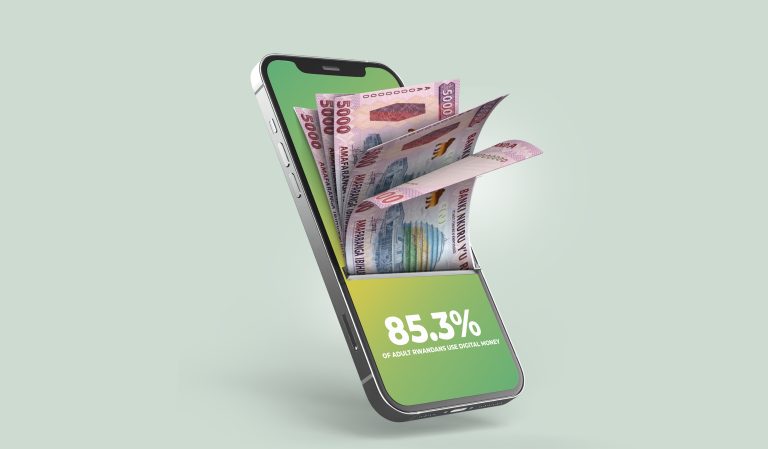
Formal and digital financial inclusion strongly correlate with improved financial health. Adults using regulated financial services are more likely to be healthy or coping, with very few in extreme vulnerability. Digitally included adults also demonstrate stronger resilience, benefiting from safer, faster, and more consistent financial transactions. In contrast, financially excluded adults face severe fragility, with 18% vulnerable and 62.8% extremely vulnerable. They struggle to manage daily finances, plan ahead, and cope with shocks. These findings underscore that deeper integration into formal and digital financial ecosystems significantly enhances financial stability and resilience.