
KIGALI | 15 June 2026 A landmark study released today by the National Bank of Rwanda (NBR), Access to Finance Rwanda (AFR), and the Women in Finance Rwanda Foundation (WIFR) reveals that Rwanda is outperforming global averages in women’s representation across financial sector leadership, while highlighting critical challenges in sustaining the pipeline of future women leaders.
The Women in Financial Services Rwanda 2025 Study is the first study of its kind in Africa and draws on data from more than 50 financial institutions and insights from over 1,500 professionals across Rwanda’s banking, insurance, pensions, investment management, and fintech sectors.
The study found that women hold 39% of Board seats, 39% of CEO/Managing Director positions, and 35% of Executive Committee roles in Rwanda’s financial sector, significantly exceeding global averages of 28%, 9%, and 23%, respectively.
However, the findings also reveal a persistent leadership pipeline challenge. Women account for 64% of non-managerial exits, receive 30% fewer promotions than men, and remain concentrated in support functions rather than technical and revenue-generating roles that typically lead to executive leadership.
While Rwanda has achieved notable success at senior leadership levels, women’s representation declines along the career pathway—from 56% at the non-managerial level to 43% in middle management, 36% in senior management, and 35% at the Executive Committee level. The study further highlights barriers, including workplace bias, limited sponsorship, maternity reintegration challenges, pay disparities, and concerns around workplace safety and reporting mechanisms.
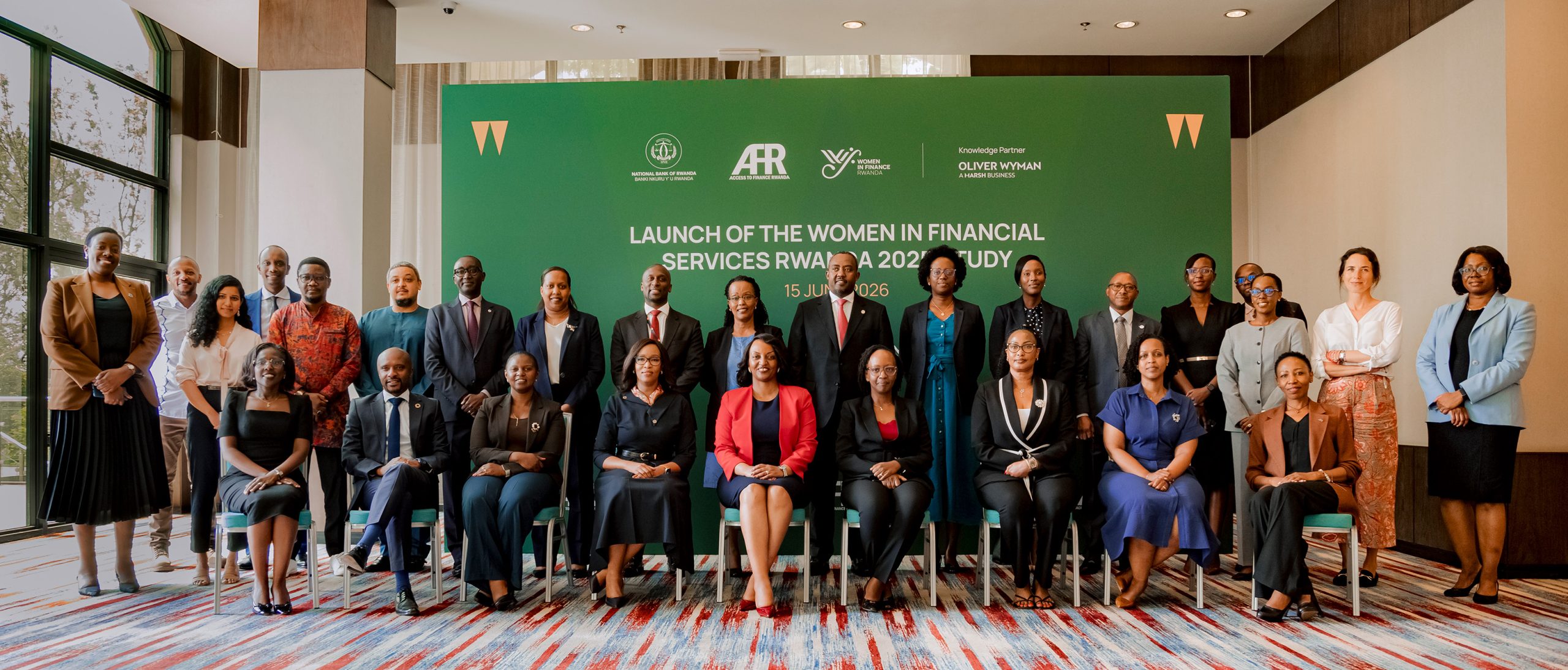
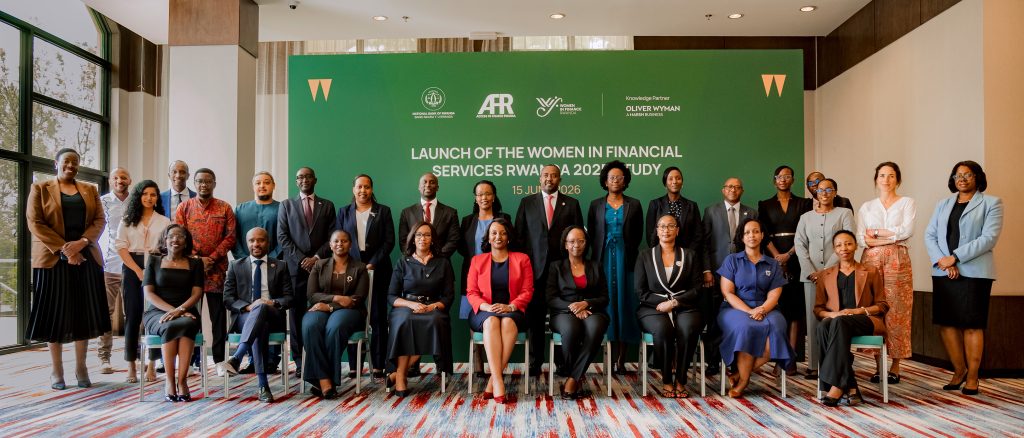
The findings were presented at a high-level launch attended by financial sector leaders, policymakers, regulators, development partners, and private sector stakeholders to discuss the implications for Rwanda’s financial sector and the broader African financial services industry.
Leadership Perspectives
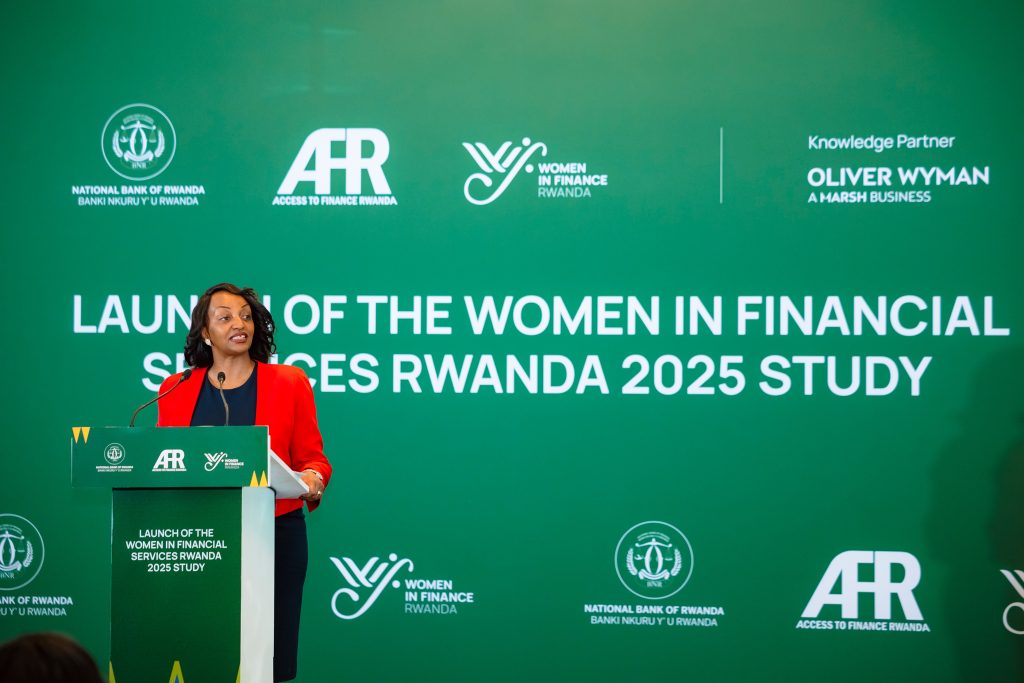
Soraya Hakuziyaremye, Governor, National Bank of Rwanda
“Rwanda has demonstrated that gender progress at the top is achievable, but the pipeline sustaining it remains fragile. This report provides practical insight into where institutions need to act to ensure talent is recognized, supported, and able to progress.”
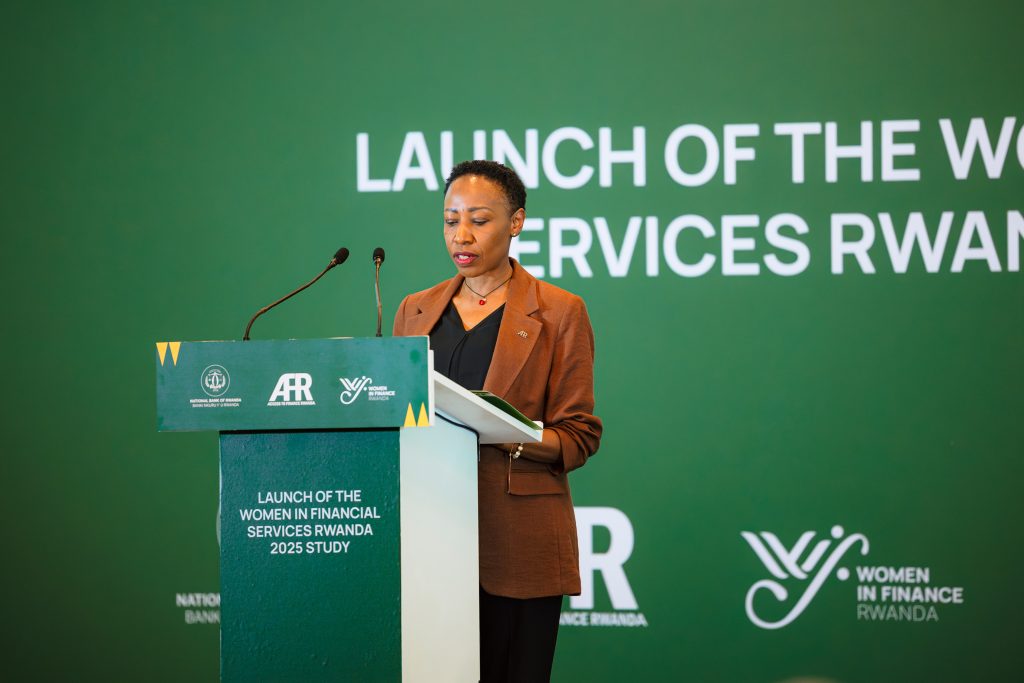
Agnès Uwanyiligira, Ag. CEO, Access to Finance Rwanda
“Women’s economic participation is directly linked to the resilience and competitiveness of our financial sector. This study provides evidence that can help institutions take more deliberate and measurable actions.”
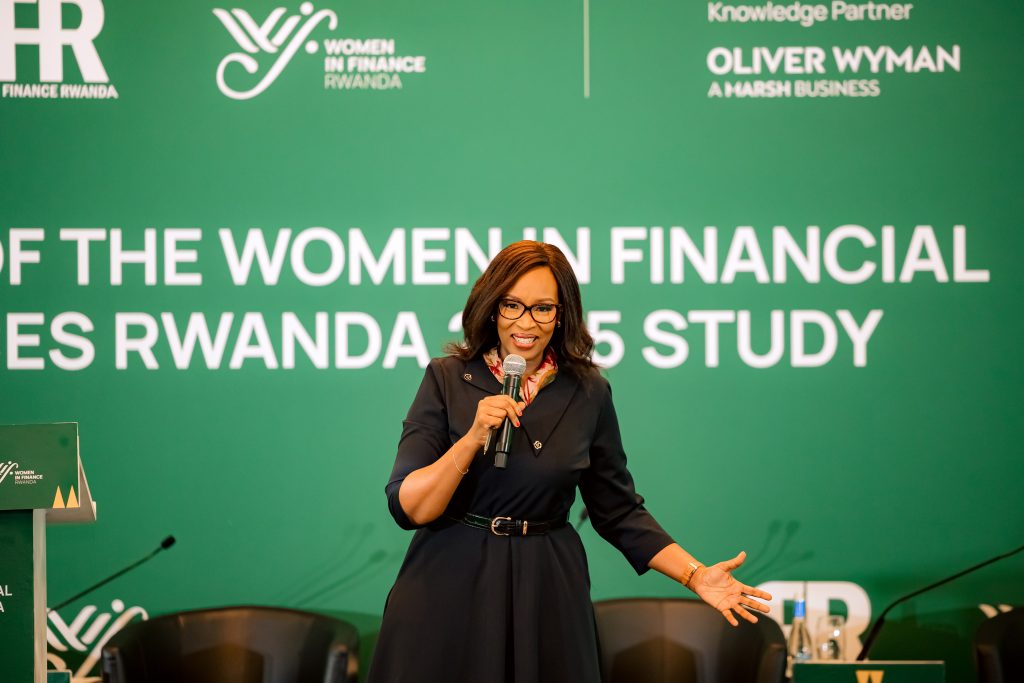
Lina Higiro, Founding Chair, Women in Finance Rwanda Foundation
“The gains we are seeing are encouraging, but sustaining them will require stronger leadership commitment, active sponsorship, and greater transparency in measuring progress. Rwanda has shown what is possible at the top; the next step is ensuring that more women successfully navigate the journey to leadership.”
Recommendations
To strengthen the leadership pipeline for women in financial services, the report recommends:
- Board-approved gender targets and accountability frameworks.
- Gender-disaggregated workforce reporting and transparency.
- Enhanced sponsorship and leadership development opportunities for women.
- Independent whistleblowing mechanisms and stronger workplace protections.
- A sector-wide roadmap to accelerate progress toward gender-balanced leadership by 2030.
The study provides a baseline for action and positions Rwanda as both a leader in women’s representation and a model for how financial institutions can build more inclusive, competitive, and sustainable leadership pipelines.
About the Study
The Women in Financial Services Rwanda 2025 Study is the first study of its kind in Africa, providing a comprehensive assessment of gender representation, career progression, workplace experiences, and leadership pathways across Rwanda’s financial services sector.
Commissioned by the National Bank of Rwanda, Access to Finance Rwanda, and the Women in Finance Rwanda Foundation, and conducted by Oliver Wyman, the study combines workforce data from more than 50 financial institutions with survey responses and interviews from over 1,500 financial services professionals. The findings provide an evidence-based baseline to inform policy, institutional action, and industry-wide efforts to strengthen the leadership pipeline for women in financial services.